9 Science-Backed Benefits of Zinc: All That You Need To Know
What comes to your mind when you think of remedies to improve your immunity? Orange juice, right? Well, that adds a bunch to your immunity, but amid the hype around vitamin C, one important nutrient is often overlooked. This magic nutrient is ZINC. In this cold weather, everyone with their stuffy nose and coughing throats is on a hunt for something to boost their immunity so they can get rid of the viral cold and flu for good. Zinc can help you do that. In fact, zinc sits at the centre of hundreds (and likely thousands) of enzyme reactions and protein functions that keep you functioning normally—from immunity and skin repair to growth, fertility, and even taste and smell.
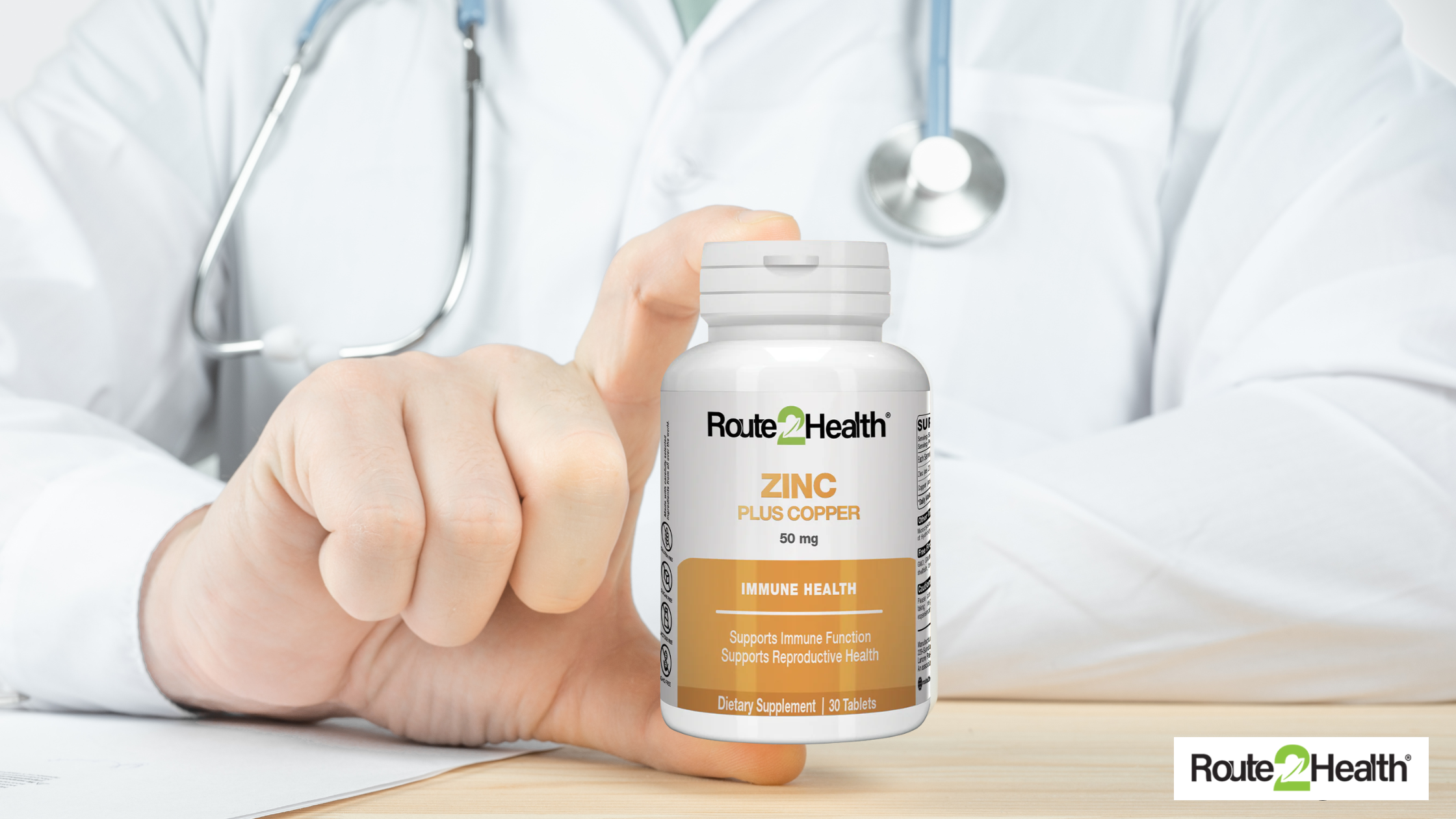
If you are on the search for a good zinc supplement that will support your immunity, help recovery, and improve your skin, try Zinc Tablets by Route2Health. In this article, we’ll unpack the benefits of zinc in detail, and explain all the ways that zinc can improve your immunity—so you know exactly what zinc does inside your body.
What Exactly Does Zinc Do In The Body?
Zinc is found in cells all over the body and plays an essential role in
- immune defence
- DNA and protein building (your body’s “construction work”)
- growth and development
- wound healing
- taste and smell
- reproduction and cell division
You should think of this nutrient as a skilled supervisor: it doesn’t do one job—it coordinates many jobs, ensuring your body’s daily maintenance and repair runs smoothly.
1. Zinc Helps In The Frontline Defence
Zinc plays a crucial role in your body's frontline defence, helping you fight off various viruses and bacteria as soon as you come into contact with them. It supports normal immune function and helps your body respond appropriately to pathogens.
The human immune system offers two main types of immunity, i.e., innate immunity (rapid responders) and adaptive immunity (specialised defenders). Zinc helps all the immune cells develop properly, communicate effectively, and function properly, so the body provides an effective and balanced response.
Read More About The Essential Role of Zinc In Immunity.
2. Zinc Heals and Repairs
Zinc is a key nutrient for skin integrity and wound healing. Healing requires cell division, collagen formation, and immune activity at the wound site. Zinc plays an essential role in the enzymatic reactions required to help build new tissue and support the immune factors that prevent the wound from becoming infected.
If you’re recovering from minor cuts, postpartum healing, dental procedures, or simply want stronger skin resilience, zinc-rich foods or zinc supplements can help you a lot.

3. Zinc Supports Healthy Skin
While this may seem like a benefit only for aesthetics, your skin speaks volumes about your immune system and overall health. Zinc plays a role in skin function, inflammation control, and repair—important for people dealing with breakouts, irritated skin, or healing marks.
Zinc contributes to:
- normal immune surveillance in the skin
- regulation of inflammatory signals
- antioxidant defence that protects skin cells from damage
So, while you may be on some topical creams to improve your skin, adding an oral zinc supplement to the mix may help a bundle.
4. Role Of Zinc In Growth And Development
Zinc is essential for normal growth and development, and research shows that severe deficiency of this nutrient is associated with growth issues and impaired immunity.
Growth is determined by three factors in the human body:
i. Controlled cell multiplication: Your body grows by making new cells. Every time a child grows, a wound heals, or muscles develop, the body must:
- Copy DNA
- Create new proteins
-
Divide cells
Zinc is essential for the enzymes that control DNA synthesis and cell division. Without enough zinc, the body struggles to make new cells efficiently, which can slow growth and development.
ii. Protein Synthesis: Muscles, organs, skin, hair, and hormones are all made from proteins. Zinc helps activate enzymes that assemble amino acids into proteins.
This is especially important for:
- Growing children
- Teenagers during puberty
- Pregnant women
-
People recovering from illness
Without enough zinc, protein synthesis becomes less efficient, which can affect muscle development, tissue repair, and overall physical growth.
iii. Growth Hormone Regulation: Zinc also helps by regulating the Growth hormone (GH), which is crucial for:
- Height increase
- Bone growth
-
Muscle development
Zinc helps regulate the production and function of growth hormone. Studies show that zinc deficiency can be linked to delayed growth in children.
5. Zinc Supports The Gut
Zinc is required for maintaining intestinal cells. Your gut lining is like a “selective filter”—it must absorb nutrients while blocking harmful invaders. Zinc supports the integrity of intestinal cells and helps immune defences work effectively at this barrier. Research shows that oral zinc supplementation can treat paediatric diarrhoea by reducing the stool output, frequency, and duration.

6. Zinc Supports Fertility and Reproductive Health
Zinc is often one of the most common nutrients used in fertility and reproductive health supplements. Reproductive health relies on rapid cell division, hormone signalling, and antioxidant protection for sensitive tissues. Zinc supports enzymes and proteins involved in these processes, acting as a quality-control for cellular function.
7. Zinc Supports The Nervous System
Your brain cells communicate using a system called “neurotransmission”, and zinc plays a vital role in this process. Zinc helps regulate certain signalling pathways and supports proteins involved in normal brain function. While zinc does not guarantee better brain function, it does support the foundations that guarantee better cognition.
8. Zinc Promotes Taste and Smell
Taste buds and smell receptors renew regularly. Zinc supports the cellular turnover and enzyme function involved in these sensory systems, making it important for proper taste and smell. When zinc is low, taste and smell can become dull—often leading to reduced appetite or food tasting weird.
9. Zinc Is A Powerful Antioxidant
Every day life creates oxidative stress (pollution, infection, intense exercise, poor sleep, psychological stress). Zinc supports antioxidant systems and proteins that help protect cells and DNA from damage.
Conclusion: What Makes Zinc So Important?
Zinc isn’t hype—it’s a foundational nutrient your body uses for immunity, healing, growth, gut integrity, skin function, taste and smell, reproduction, brain signalling, and antioxidant defence. Used wisely, a balanced supplement such as Zinc Plus Copper by Route2Health can be a straightforward tool in your health toolkit—especially when paired with a nutrient-dense diet and healthy routines. Your body does incredible repair work every day; zinc helps make sure it has the materials to do that job well.
FAQs
1. What is zinc plus?
“Zinc plus” usually refers to zinc combined with supportive nutrients (often copper or other minerals/vitamins) to improve balance and usefulness in a daily supplement routine.
2. Can I take zinc every day?
Yes, you can. The right dose depends on your diet, life stage, and health status. Long-term high zinc intake can interfere with copper, which is why balanced formulas are often preferred.
3. Is zinc good for immunity?
Yes—zinc supports normal immune function and helps immune cells work properly.
4. Does zinc help with skin and acne?
Zinc supports skin repair and helps regulate inflammation and antioxidant defence, which is why it’s commonly used for skin support.
5. When should I take zinc plus copper—morning or night?
You should take the Zinc Plus Copper supplement as per your doctor's recommendation. Many people take it with food to avoid nausea. If it upsets your stomach, try taking it after a main meal.


Vitamin B Deficiency Symptoms: 8 Signs You May Need a B Complex

Complications of Constipation: How Serious Can Constipation Become If Left Untreated?

Folic Acid Benefits for Women: The One Nutrient Every Woman Should Have

Breastfeeding Tips: 7 Science-Backed Ways to Support a Successful Breastfeeding Journey

Simple Ways to Increase Your Child's Appetite: Practical Tips That Really Help

Infant Colic: Causes, Symptoms, and What Actually Helps?

Benefits of Methylcobalamin: Everything You Must Know Before Starting Lingu B

The Importance of Electrolytes: Why Your Body Needs More Than Just Water

Who Should Be Taking Magnesium Glycinate? 7 Signs You Might Benefit From It

Symptoms of Poor Blood Circulation and How L-Arginine Can Help

Magnesium Deficiency: Signs Your Body May Be Crying Out for Magnesium

Low Energy, Brain Fog, and Weak Immunity? Hidden Deficiencies in Men Explained

What Happens to Your Body When You Aren’t Hydrated Enough?

The Importance of Hydration: Why Water Is the Ultimate Nutrient?

Asthma in Children: Causes, Symptoms, and Treatment Options

Gearing Up for Marathon: Train Smart And Fuel Right To Finish Strong

L-Arginine 101: Benefits, Uses, and Safety

9 Science-Backed Benefits of Zinc: All That You Need To Know

10 Common Sleep Disorders Might Be Keeping You Up

FluAce by Route2Health: Pakistan’s New Favourite Flu Remedy

Vitamin C: A Must-Have in Your Pre-Wedding Skincare and Wellness Routine

The Perfect Regime to Get You Fit This Wedding Season

Magnesium and Sleep: How This Calm Mineral Can Help You Rest Better


The Smog Emergency in Pakistan: Health Risks and Urgent Solutions

How to Increase Glutathione in the Body Naturally?

10 Effective Natural Remedies for Sleep

The Role of Copper and Zinc in Reducing Inflammation and Boosting Immunity


9 Effective Natural Remedies for Cold and Flu: What Really Works?

Top 6 Symptoms of Vitamin Deficiency in Children to Watch Out For

5 Healthy Pregnancy Tips You May Not Know About


The Essential Nutrients You Need to Support a Healthy Pregnancy

Folic Acid Deficiency in Pakistani Women: A Silent Crisis in Maternal Health

B-Complex for Energy Production: The Back-to-School Boost Every Child Needs

Boost Your Child’s Memory and Concentration: 7 Proven Strategies for Sharper Learning

Back to School Boost: All The Ways To Improve Focus, Energy And Immunity

Cranberry and Elderberry: Natural Solutions for UTI Prevention During Hot Weather


Combat Hyperpigmentation from Within: The Power of Vitamin C

The Truth About Magnesium: Breaking Down the Hype and Its Many Forms

Magnesium Glycinate Benefits: All That You Need To Know

Magnesium Glycinate 101: The Ultimate Guide to The Soothing Mineral

Liver Care: The Role of Milk Thistle in Helping the Liver Combat Toxins

Healthy Summer Snacks and Nutrition for Kids: Fun Ideas for the Holidays

The Importance of Glutathione in Your Summer Skincare Routine

7 Effective Strategies To Make Up For Your Child’s Nutritional Deficiencies This Summer


The Link Between Dehydration and UTIs- Why Berdi is Your Summer Ally?