Benefits of Methylcobalamin: Everything You Must Know Before Starting Lingu B
Benefits of methylcobalamin go far beyond simply preventing vitamin B12 deficiency. As the biologically active form of vitamin B12, methylcobalamin supports healthy nerve function, red blood cell formation, DNA synthesis, brain health, and energy metabolism. Whether you struggle with tiredness, tingling in your hands and feet, poor concentration, or follow a vegetarian diet, ensuring adequate methylcobalamin intake can make a significant difference to your overall well-being.
Unlike some other forms of vitamin B12, methylcobalamin does not require conversion before your body can use it. This allows it to participate directly in essential biochemical processes that keep your nervous system, blood cells, and metabolism functioning normally. In this article, you will discover what methylcobalamin is, how it works, and the scientifically proven benefits it offers.
What Is Methylcobalamin?
Methylcobalamin is one of the naturally occurring active forms of vitamin B12. Vitamin B12 is a water-soluble vitamin that plays an essential role in maintaining healthy nerves, producing red blood cells, supporting DNA synthesis, and helping your body convert food into usable energy.
Inside your body, methylcobalamin serves as a coenzyme for the enzyme methionine synthase. This enzyme converts homocysteine into methionine, an amino acid that is required to produce S-adenosylmethionine (SAMe). SAMe is involved in hundreds of methylation reactions that regulate DNA repair, neurotransmitter production, and cell function throughout the body.
Because methylcobalamin is already biologically active, it can be used immediately without requiring metabolic conversion.
Benefits of Methylcobalamin
1. Supports Healthy Nerve Function
One of the most important benefits of methylcobalamin is its ability to support healthy nerves. Nerves are surrounded by a protective covering called the myelin sheath, which allows electrical signals to travel rapidly and efficiently. Vitamin B12 deficiency damages this protective layer, leading to slower nerve conduction and impaired communication between the brain and the rest of the body.
Methylcobalamin helps maintain and repair myelin while supporting the regeneration of damaged nerve tissue. It also promotes protein synthesis within nerve cells, helping injured nerves recover more effectively.
People with vitamin B12 deficiency may experience symptoms such as:
- Tingling or pins and needles
- Numbness in the hands or feet
- Burning sensations
- Balance problems
- Muscle weakness
Research shows that correcting vitamin B12 deficiency with methylcobalamin can improve these neurological symptoms, particularly when treatment begins early.
2. Helps Produce Healthy Red Blood Cells
Your bone marrow requires vitamin B12 to produce healthy red blood cells. Without sufficient vitamin B12, developing blood cells cannot divide properly. As a result, unusually large and abnormal red blood cells form, a condition known as megaloblastic anaemia.
These abnormal cells transport oxygen less efficiently, causing symptoms such as:
- Persistent fatigue
- Weakness
- Shortness of breath
- Pale skin
- Dizziness
Methylcobalamin restores normal DNA synthesis within developing blood cells, allowing healthy red blood cells to form and improving oxygen delivery throughout your body.

3. Supports Energy Production
Many people associate vitamin B12 with energy, and for good reason. Although methylcobalamin does not directly provide energy like carbohydrates or fats, it enables your cells to convert nutrients into usable energy through normal metabolic pathways. When vitamin B12 levels are low, your cells cannot function efficiently, leaving you feeling tired and lacking stamina.
If fatigue results from vitamin B12 deficiency, restoring adequate methylcobalamin levels often improves:
- Physical energy
- Mental alertness
- Exercise tolerance
- Daily productivity
However, taking extra vitamin B12 will not increase energy in individuals who already have normal vitamin B12 levels.
4. Supports Brain Function and Cognitive Health
Your brain relies on healthy nerve cells and efficient neurotransmitter production to function properly. Methylcobalamin supports several processes that maintain normal cognitive function, including methylation reactions that influence neurotransmitter synthesis and DNA repair.
Vitamin B12 deficiency has been associated with:
- Memory difficulties
- Poor concentration
- Confusion
- Reduced cognitive performance
Adequate vitamin B12 intake helps maintain healthy neurological function throughout adulthood. While supplementation corrects deficiency, it should not be considered a treatment for dementia or Alzheimer's disease in people with normal vitamin B12 levels.
5. Helps Maintain Psychological Wellbeing
Methylcobalamin contributes to the normal functioning of the nervous system and supports the production of neurotransmitters involved in mood regulation. By converting homocysteine into methionine, methylcobalamin helps generate SAMe, a compound required for the synthesis of serotonin, dopamine, and noradrenaline.
Low vitamin B12 status has been linked with an increased risk of depressive symptoms, particularly in older adults and those with prolonged deficiency. Maintaining healthy vitamin B12 levels supports normal psychological function as part of an overall healthy lifestyle.
6. Helps Lower Elevated Homocysteine Levels
Homocysteine is an amino acid naturally produced during metabolism. Without sufficient methylcobalamin, homocysteine cannot be efficiently converted back into methionine. This causes homocysteine levels to rise.
Research shows that elevated homocysteine is associated with an increased risk of cardiovascular disease, although lowering homocysteine through supplementation has not consistently reduced cardiovascular events. Nevertheless, methylcobalamin plays an essential role in maintaining normal homocysteine metabolism, particularly when combined with folate and vitamin B6.
7. Supports DNA Synthesis and Cell Division
Every cell in your body must continuously divide and replace itself. Vitamin B12 is essential for DNA synthesis, ensuring that new cells are produced accurately.
Rapidly dividing tissues such as:
- Bone marrow
- Skin
- Intestinal lining
depend heavily on adequate vitamin B12. Without sufficient methylcobalamin, cell division slows and abnormalities develop, affecting tissue repair and overall health.

8. Important During Pregnancy
Adequate vitamin B12 intake during pregnancy supports normal maternal health and contributes to healthy fetal development. Vitamin B12 works alongside folate during DNA synthesis and cell division. Deficiency during pregnancy may increase the risk of neurological complications in the baby and maternal anaemia.
Pregnant women should always discuss supplementation with their healthcare professional, especially if they follow vegetarian or vegan diets.
Risk Of Vitamin B12 Deficiency
Vitamin B12 deficiency is a common nutritional issue that affects approximately 2% to 6% of adults in the US and UK under age 60, and up to 20% of those over 60. Rates can reach up to 40% in Latin America and 80% in parts of Africa and Asia. Vitamin B12 occurs naturally almost exclusively in foods of animal origin.
As a result, deficiency is more common among:
- Vegetarians
- Vegans
- Older adults
- People with reduced stomach acid
- Individuals taking long-term acid-reducing medications
- People with certain gastrointestinal disorders
Supplementation with methylcobalamin helps maintain adequate vitamin B12 status when dietary intake or absorption is insufficient.
Who May Benefit from Methylcobalamin Supplementation?
You may benefit from methylcobalamin supplementation if you:
- Have a confirmed vitamin B12 deficiency.
- Follow a vegetarian or vegan diet.
- Are over the age of 60.
- Have reduced vitamin B12 absorption.
- Take long-term acid-suppressing medication.
- Have been advised by your healthcare professional to supplement vitamin B12.
Conclusion
Methylcobalamin is an active, highly effective form of vitamin B12 that supports healthy nerves, red blood cell production, DNA synthesis, energy metabolism, and normal brain function. Because your body can use methylcobalamin immediately, it plays a direct role in maintaining many of the systems that keep you healthy every day. If your dietary intake is low or your body struggles to absorb vitamin B12, supplementation can help restore healthy levels and prevent deficiency-related complications.
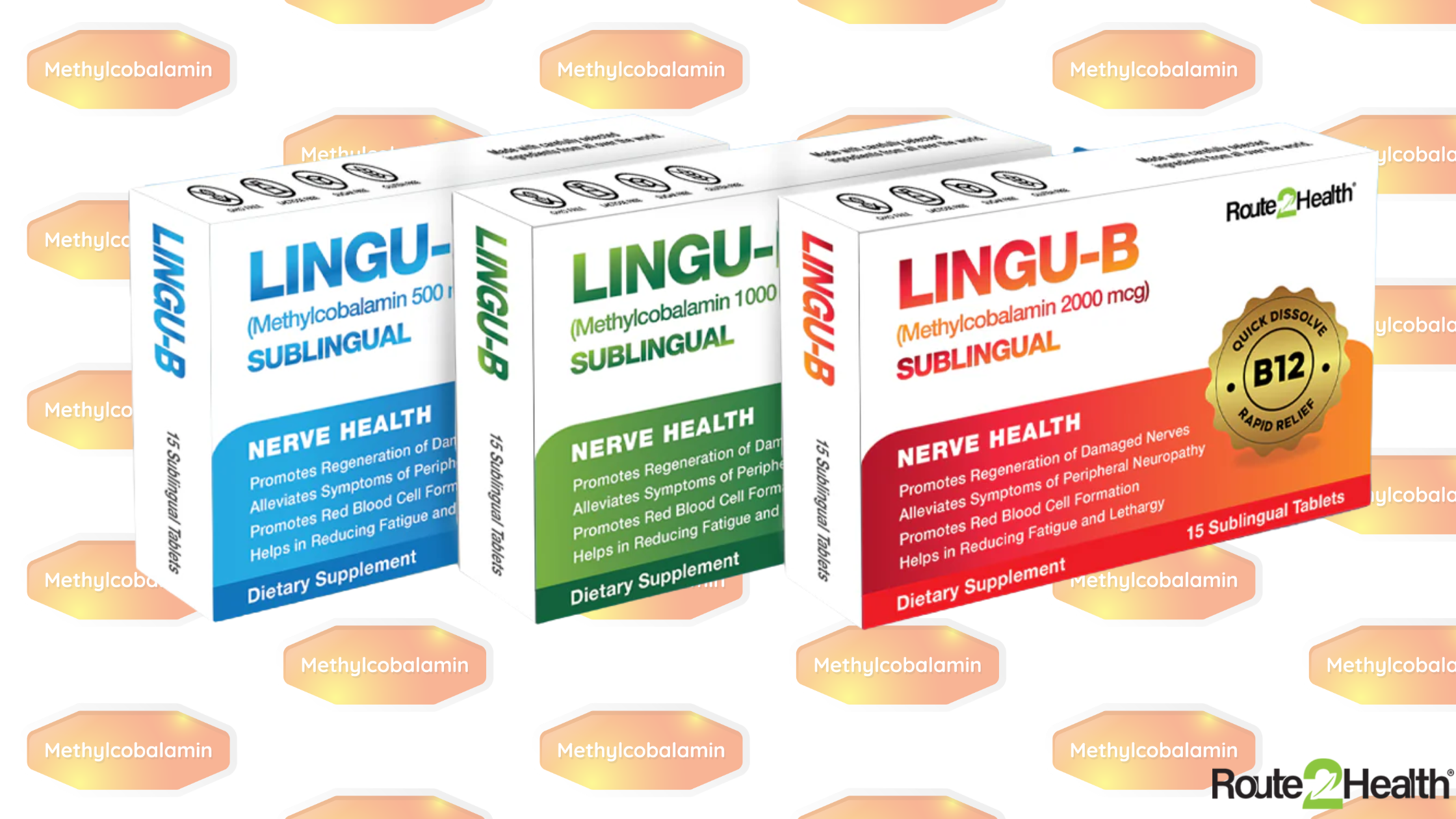
For convenient daily vitamin B12 support, consider LINGU B, a sublingual methylcobalamin tablet that dissolves under the tongue for easy administration. LINGU B provides active methylcobalamin in a simple, convenient format, making it an excellent choice for individuals looking to support their vitamin B12 intake as part of a healthy lifestyle.
FAQs
1. What is methylcobalamin used for?
Methylcobalamin is used to prevent and treat vitamin B12 deficiency. It supports healthy nerves, red blood cell production, brain function, DNA synthesis, and normal energy metabolism.
2. Is methylcobalamin better than cyanocobalamin?
Methylcobalamin is one of the active forms of vitamin B12 that your body can use immediately. Cyanocobalamin is a stable synthetic form that your body converts into active forms. Both are effective for treating vitamin B12 deficiency in most people.
3. Can methylcobalamin help with nerve pain?
Methylcobalamin may help improve nerve function and support nerve repair in people with vitamin B12 deficiency. It should only be used for nerve pain when recommended by a healthcare professional, as nerve pain can have many different causes.
4. Who should take methylcobalamin?
People with vitamin B12 deficiency, vegetarians, vegans, older adults, individuals with absorption problems, and those taking certain long-term medications may benefit from methylcobalamin supplementation after appropriate medical assessment.
5. How long does methylcobalamin take to work?
The time varies depending on the severity of deficiency. Some people notice improvements in energy within a few weeks, while recovery of neurological symptoms may take several months. Early treatment generally leads to better outcomes.

Vitamin B Deficiency Symptoms: 8 Signs You May Need a B Complex

Complications of Constipation: How Serious Can Constipation Become If Left Untreated?

Folic Acid Benefits for Women: The One Nutrient Every Woman Should Have

Breastfeeding Tips: 7 Science-Backed Ways to Support a Successful Breastfeeding Journey

Simple Ways to Increase Your Child's Appetite: Practical Tips That Really Help

Infant Colic: Causes, Symptoms, and What Actually Helps?

Benefits of Methylcobalamin: Everything You Must Know Before Starting Lingu B

The Importance of Electrolytes: Why Your Body Needs More Than Just Water

Who Should Be Taking Magnesium Glycinate? 7 Signs You Might Benefit From It

Symptoms of Poor Blood Circulation and How L-Arginine Can Help

Magnesium Deficiency: Signs Your Body May Be Crying Out for Magnesium

Low Energy, Brain Fog, and Weak Immunity? Hidden Deficiencies in Men Explained

What Happens to Your Body When You Aren’t Hydrated Enough?

The Importance of Hydration: Why Water Is the Ultimate Nutrient?

Asthma in Children: Causes, Symptoms, and Treatment Options

Gearing Up for Marathon: Train Smart And Fuel Right To Finish Strong

L-Arginine 101: Benefits, Uses, and Safety

9 Science-Backed Benefits of Zinc: All That You Need To Know

10 Common Sleep Disorders Might Be Keeping You Up

FluAce by Route2Health: Pakistan’s New Favourite Flu Remedy

Vitamin C: A Must-Have in Your Pre-Wedding Skincare and Wellness Routine

The Perfect Regime to Get You Fit This Wedding Season

Magnesium and Sleep: How This Calm Mineral Can Help You Rest Better


The Smog Emergency in Pakistan: Health Risks and Urgent Solutions

How to Increase Glutathione in the Body Naturally?

10 Effective Natural Remedies for Sleep

The Role of Copper and Zinc in Reducing Inflammation and Boosting Immunity


9 Effective Natural Remedies for Cold and Flu: What Really Works?

Top 6 Symptoms of Vitamin Deficiency in Children to Watch Out For

5 Healthy Pregnancy Tips You May Not Know About


The Essential Nutrients You Need to Support a Healthy Pregnancy

Folic Acid Deficiency in Pakistani Women: A Silent Crisis in Maternal Health

B-Complex for Energy Production: The Back-to-School Boost Every Child Needs

Boost Your Child’s Memory and Concentration: 7 Proven Strategies for Sharper Learning

Back to School Boost: All The Ways To Improve Focus, Energy And Immunity

Cranberry and Elderberry: Natural Solutions for UTI Prevention During Hot Weather


Combat Hyperpigmentation from Within: The Power of Vitamin C

The Truth About Magnesium: Breaking Down the Hype and Its Many Forms

Magnesium Glycinate Benefits: All That You Need To Know

Magnesium Glycinate 101: The Ultimate Guide to The Soothing Mineral

Liver Care: The Role of Milk Thistle in Helping the Liver Combat Toxins

Healthy Summer Snacks and Nutrition for Kids: Fun Ideas for the Holidays

The Importance of Glutathione in Your Summer Skincare Routine

7 Effective Strategies To Make Up For Your Child’s Nutritional Deficiencies This Summer


The Link Between Dehydration and UTIs- Why Berdi is Your Summer Ally?