Symptoms of Poor Blood Circulation and How L-Arginine Can Help
Symptoms of poor blood circulation are often ignored until they start affecting your energy, brain function, heart health, and even your daily performance. If you frequently feel cold hands and feet, unexplained fatigue, or mental fog, your body may be signalling an underlying issue with blood flow. What many people do not realise is that circulation is not just about the heart; it is closely linked to a powerful molecule called nitric oxide, and it is here that L-Arginine plays a crucial role.
In this article, we will explore the science behind poor blood circulation symptoms, understand the root causes, and uncover how L-Arginine can support healthy blood flow naturally.
What Is Blood Circulation and Why Does It Matter?
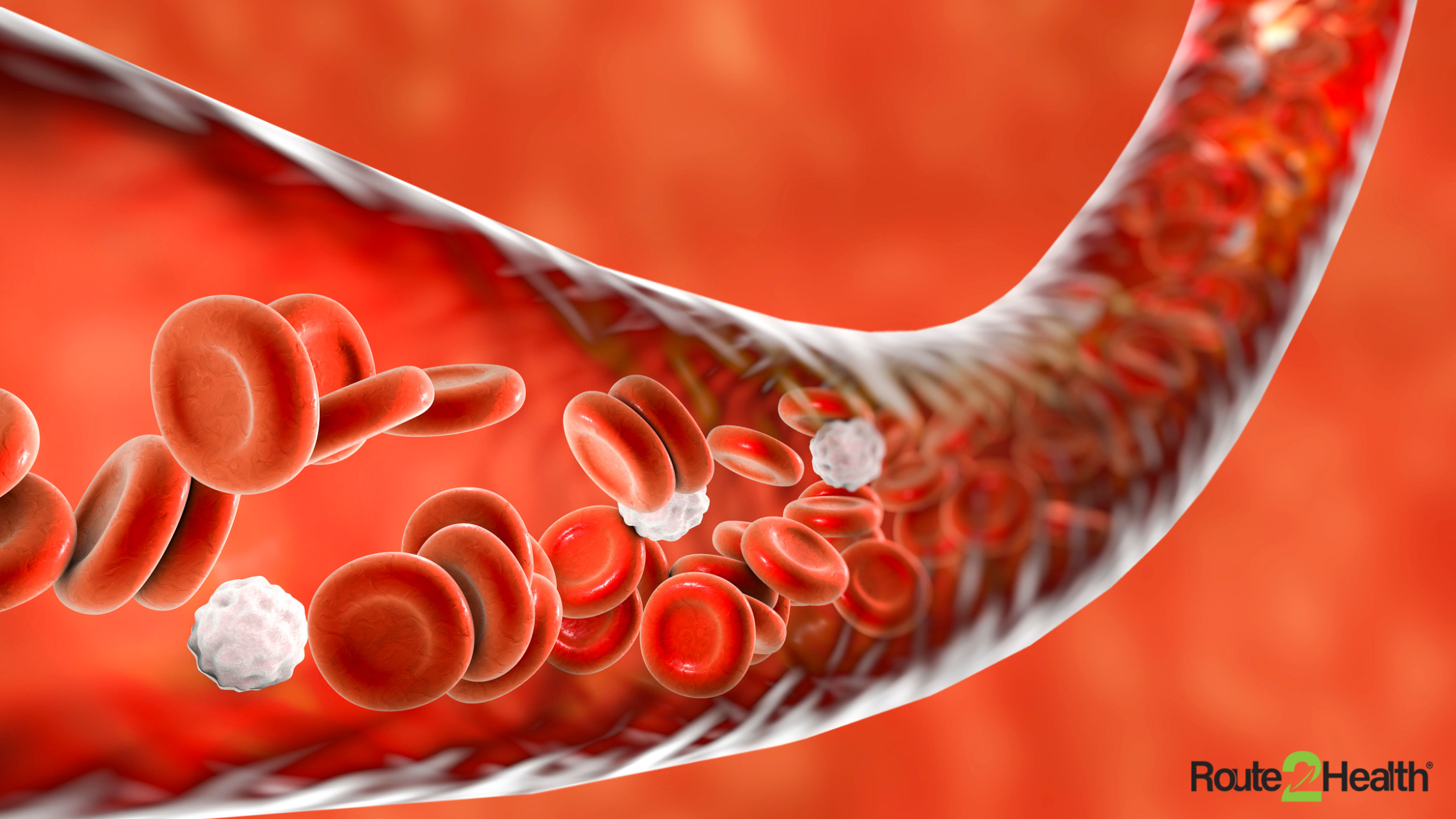
Blood circulation is the process by which oxygen, nutrients, hormones, and waste products are transported throughout the body. Efficient circulation ensures that organs, especially the brain, heart, and muscles, function optimally.
At the centre of this process is the endothelium, the inner lining of blood vessels. It produces nitric oxide, a molecule responsible for relaxing and widening blood vessels, a process known as vasodilation.
Research shows that nitric oxide is a critical regulator of vascular health, helping maintain blood flow, prevent clot formation, and regulate blood pressure.
Common Symptoms of Poor Blood Circulation
Recognising early signs of poor blood circulation can prevent long-term complications. These symptoms often develop gradually and may be mistaken for general fatigue or stress.
1. Cold Hands and Feet
Reduced blood flow to extremities leads to a drop in skin temperature, making hands and feet feel persistently cold.
2. Fatigue and Low Energy
When oxygen delivery to tissues is compromised, your cells cannot produce energy efficiently, leading to chronic tiredness.
3. Brain Fog and Poor Focus
The brain is highly dependent on oxygen and glucose. Poor circulation can impair cognitive function, resulting in brain fog and reduced concentration.
4. Muscle Weakness and Reduced Stamina
Limited blood flow to muscles decreases oxygen supply, affecting endurance and recovery.
5. Erectile Dysfunction
Blood flow is essential for vascular responses in the body. Poor circulation can directly affect erectile function due to impaired vasodilation.
6. Slow Healing
Reduced circulation means fewer nutrients and immune cells reach damaged tissues, delaying healing.

What Causes Poor Blood Circulation?
Understanding the causes helps target the solution effectively.
- Sedentary Lifestyle: Lack of movement reduces blood vessel flexibility and circulation efficiency.
- Endothelial Dysfunction: When the inner lining of blood vessels cannot produce enough nitric oxide, vasodilation is impaired.
- Nutrient Deficiencies: Deficiencies in amino acids, such as L-Arginine, can directly affect nitric oxide production.
- Chronic Stress: Stress hormones constrict blood vessels, reducing blood flow over time.
- Underlying Conditions: Conditions such as hypertension, diabetes, and atherosclerosis can significantly impair circulation.
How L-Arginine Can Help Improve Blood Flow?
L-Arginine is a semi-essential amino acid that plays a central role in nitric oxide production. Several research studies have explored the role of L-Arginine in improving blood flow and vascular health.
- Vascular Function and Blood Flow: A clinical study published in the journal Circulation found that L-Arginine supplementation improved vascular reactivity and blood flow in individuals with circulation issues.
- Nitric Oxide and Vasodilation: Nitric oxide, derived from L-Arginine, plays a key role in vasodilation, blood flow regulation, and cardiovascular protection.
- Blood Pressure and Circulation: Research shows that L-Arginine may help reduce blood pressure by improving nitric oxide availability and vascular relaxation.
Understanding The Mechanism
- L-Arginine is converted into nitric oxide via enzymes called nitric oxide synthase (NOS)
- Nitric oxide signals blood vessels to relax
- Blood vessels widen (vasodilation)
- Blood flow increases to tissues and organs
Scientific studies confirm that L-Arginine is a primary substrate for nitric oxide synthesis, which directly influences vascular tone and blood flow.
Additionally, nitric oxide helps:
- Reduce arterial stiffness
- Improve oxygen delivery
- Prevent clot formation
Learn More About L-Arginine.
Benefits of L-Arginine for Poor Circulation
- Improved Blood Flow: By increasing nitric oxide levels, L-Arginine enhances circulation to vital organs and extremities.
- Better Energy and Stamina: Improved oxygen delivery boosts cellular energy production, reducing fatigue.
- Enhanced Heart Health: L-Arginine supports vascular flexibility and reduces arterial stiffness.
- Improved Exercise Performance: Better blood flow enhances oxygen supply to muscles, improving endurance.
- Support for Erectile Function: Since erections depend on blood flow, improved vasodilation can support sexual health.
- Who Should Consider L-Arginine?
L-Arginine may be particularly beneficial for individuals experiencing:
- Persistent fatigue
- Cold extremities
- Poor exercise performance
- Early signs of cardiovascular issues
- Circulation-related concerns
However, it is important to note that research results are mixed for some long-term conditions, meaning supplementation should be personalised and appropriately guided.
Natural Ways to Improve Circulation Alongside L-Arginine
While L-Arginine is powerful, combining it with lifestyle strategies enhances results:
- Regular physical activity
- Balanced diet rich in antioxidants
- Stress management
- Adequate hydration
Conclusion
Poor blood circulation symptoms are more than just minor inconveniences; they are early warning signs of deeper vascular issues. From fatigue and brain fog to reduced stamina and cold extremities, poor circulation can significantly affect your quality of life.
The science clearly shows that nitric oxide plays a central role in maintaining healthy blood flow, and L-Arginine serves as its essential precursor. By supporting nitric oxide production, L-Arginine offers a natural and effective way to improve circulation, enhance energy, and support overall cardiovascular health.
If you are experiencing poor blood circulation symptoms such as fatigue, cold hands and feet, or low stamina, it may be time to support your body at a deeper level. Consider incorporating a high-quality L-Arginine supplement into your routine to naturally boost nitric oxide levels and improve blood flow from within.
FAQ
1. What are the most common poor blood circulation symptoms?
The most common signs of poor blood circulation are cold hands and feet, fatigue, brain fog, muscle weakness, and slow healing.
2. Does L-Arginine really improve blood flow?
Yes, L-Arginine helps produce nitric oxide, which relaxes blood vessels and improves circulation.
3. How long does L-Arginine take to work?
You can feel a noticeable difference within a few days to a few weeks, depending on the dosage and individual health.
4. Is L-Arginine safe for daily use?
It is generally safe to take daily for most people at recommended doses, but medical advice is recommended for long-term use.
5. Can poor circulation cause fatigue and brain fog?
Yes, reduced blood flow limits oxygen delivery to the brain and muscles, leading to fatigue and cognitive issues.

Vitamin B Deficiency Symptoms: 8 Signs You May Need a B Complex

Complications of Constipation: How Serious Can Constipation Become If Left Untreated?

Folic Acid Benefits for Women: The One Nutrient Every Woman Should Have

Breastfeeding Tips: 7 Science-Backed Ways to Support a Successful Breastfeeding Journey

Simple Ways to Increase Your Child's Appetite: Practical Tips That Really Help

Infant Colic: Causes, Symptoms, and What Actually Helps?

Benefits of Methylcobalamin: Everything You Must Know Before Starting Lingu B

The Importance of Electrolytes: Why Your Body Needs More Than Just Water

Who Should Be Taking Magnesium Glycinate? 7 Signs You Might Benefit From It

Symptoms of Poor Blood Circulation and How L-Arginine Can Help

Magnesium Deficiency: Signs Your Body May Be Crying Out for Magnesium

Low Energy, Brain Fog, and Weak Immunity? Hidden Deficiencies in Men Explained

What Happens to Your Body When You Aren’t Hydrated Enough?

The Importance of Hydration: Why Water Is the Ultimate Nutrient?

Asthma in Children: Causes, Symptoms, and Treatment Options

Gearing Up for Marathon: Train Smart And Fuel Right To Finish Strong

L-Arginine 101: Benefits, Uses, and Safety

9 Science-Backed Benefits of Zinc: All That You Need To Know

10 Common Sleep Disorders Might Be Keeping You Up

FluAce by Route2Health: Pakistan’s New Favourite Flu Remedy

Vitamin C: A Must-Have in Your Pre-Wedding Skincare and Wellness Routine

The Perfect Regime to Get You Fit This Wedding Season

Magnesium and Sleep: How This Calm Mineral Can Help You Rest Better


The Smog Emergency in Pakistan: Health Risks and Urgent Solutions

How to Increase Glutathione in the Body Naturally?

10 Effective Natural Remedies for Sleep

The Role of Copper and Zinc in Reducing Inflammation and Boosting Immunity


9 Effective Natural Remedies for Cold and Flu: What Really Works?

Top 6 Symptoms of Vitamin Deficiency in Children to Watch Out For

5 Healthy Pregnancy Tips You May Not Know About


The Essential Nutrients You Need to Support a Healthy Pregnancy

Folic Acid Deficiency in Pakistani Women: A Silent Crisis in Maternal Health

B-Complex for Energy Production: The Back-to-School Boost Every Child Needs

Boost Your Child’s Memory and Concentration: 7 Proven Strategies for Sharper Learning

Back to School Boost: All The Ways To Improve Focus, Energy And Immunity

Cranberry and Elderberry: Natural Solutions for UTI Prevention During Hot Weather


Combat Hyperpigmentation from Within: The Power of Vitamin C

The Truth About Magnesium: Breaking Down the Hype and Its Many Forms

Magnesium Glycinate Benefits: All That You Need To Know

Magnesium Glycinate 101: The Ultimate Guide to The Soothing Mineral

Liver Care: The Role of Milk Thistle in Helping the Liver Combat Toxins

Healthy Summer Snacks and Nutrition for Kids: Fun Ideas for the Holidays

The Importance of Glutathione in Your Summer Skincare Routine

7 Effective Strategies To Make Up For Your Child’s Nutritional Deficiencies This Summer


The Link Between Dehydration and UTIs- Why Berdi is Your Summer Ally?