

Breastfeeding Tips: 7 Science-Backed Ways to Support a Successful Breastfeeding Journey
Every year, World Breastfeeding Week reminds us that breastfeeding is one of the most powerful investments in a baby's health and development. Yet, while breastfeeding is natural, it is not always instinctive. For many mothers, the journey comes with questions, uncertainty, and a learning curve. If you have ever worried about your baby's latch, milk supply or whether your baby is getting enough milk, you are certainly not alone.
The good news is that many common breastfeeding challenges can be overcome with the right knowledge, support, and patience. Research consistently shows that evidence-based breastfeeding practices improve breastfeeding success, maternal confidence and infant health.
In this article, we share practical, science-backed breastfeeding tips that can help establish breastfeeding more successfully, improve milk production and make the experience more comfortable for both mother and baby.
Why Breastfeeding Matters?
Breastfeeding provides complete nutrition for babies during the first six months of life while delivering antibodies, immune cells and bioactive compounds that formula cannot replicate. Exclusive breastfeeding has been associated with a lower risk of respiratory infections, diarrhoea, ear infections and sudden infant death syndrome (SIDS). It also supports healthy brain development and may reduce the risk of obesity later in life.
The benefits extend to mothers as well. Research shows that breastfeeding helps the uterus return to its pre-pregnancy size, increases energy expenditure, and has been associated with a reduced risk of breast cancer, ovarian cancer, and type 2 diabetes over the long term.
Despite these benefits, breastfeeding often requires practice. Both mother and baby are learning a completely new skill. The first few weeks are especially important because milk production works on a supply-and-demand system. The more effectively milk is removed, the more milk the breasts produce. Rather than expecting perfection from day one, understanding a few key strategies can make breastfeeding more successful and less stressful.
7 Scientifically Proven Breastfeeding Tips
1. Feed Early and Feed Often
One of the most effective ways to establish a healthy milk supply is to breastfeed frequently. Instead of waiting for a baby to cry, watch for early feeding cues such as:
- Opening the mouth
- Turning the head (rooting)
- Bringing hands to the mouth
- Lip smacking
- Increased alertness
Newborns typically breastfeed 8–12 times every 24 hours. Frequent feeding stimulates prolactin receptors in the breast, helping establish a strong long-term milk supply. Delaying feeds or spacing them too far apart during the early weeks may reduce milk production.
2. Prioritise a Deep, Comfortable Latch
A poor latch is one of the most common reasons mothers experience sore nipples, ineffective milk transfer and concerns about low milk supply.
Signs of a good latch include:
- Baby's mouth opens wide.
- More of the areola is visible above the baby's mouth than below.
- Baby's lips are flanged outward.
- Chin touches the breast.
- Rhythmic sucking with audible swallowing.
- Feeding is comfortable rather than painful.
A deep latch allows the baby to remove milk efficiently, which helps stimulate continued milk production. If breastfeeding remains painful after the first few seconds of latching, seek help from a qualified lactation consultant or healthcare professional.
3. Allow Baby to Finish the First Breast Before Switching
Breast milk changes during a feed. Earlier milk helps satisfy thirst, while milk later in the feed contains a higher fat content that contributes more energy. Allowing your baby to finish feeding on one breast before offering the second helps ensure they receive both the earlier and later milk during that feed. Avoid switching breasts too quickly unless your baby naturally releases the breast or your healthcare provider recommends otherwise.
4. Pump Strategically When Needed
Breast pumps can be valuable tools, particularly if:
- Baby is separated from mother
- Baby struggles to transfer milk effectively
- Mother returns to work
- Additional stimulation is needed to support milk supply
Many mothers also find “Power Pumping” helpful when advised by a lactation professional. Power pumping mimics cluster feeding by alternating periods of pumping and rest over approximately one hour. Although research is still evolving, increasing breast stimulation and milk removal may help improve supply for some mothers when combined with frequent breastfeeding. Remember that pumping output does not accurately reflect total milk production. Babies usually remove milk more effectively than pumps.
5. Look After Your Own Nutrition and Wellbeing
Producing breast milk requires energy, adequate hydration and good overall nutrition. While breastfeeding mothers do not need a perfect diet, regularly eating balanced meals rich in:
- Protein
- Whole grains
- Fruits
- Vegetables
- Healthy fats
- Calcium-rich foods
- Iron-rich foods
- helps support overall maternal health.
Sleep deprivation and stress can also make breastfeeding feel more difficult, even though they may not directly reduce milk production in most mothers. Taking care of yourself is not selfish; it is part of taking care of your baby.

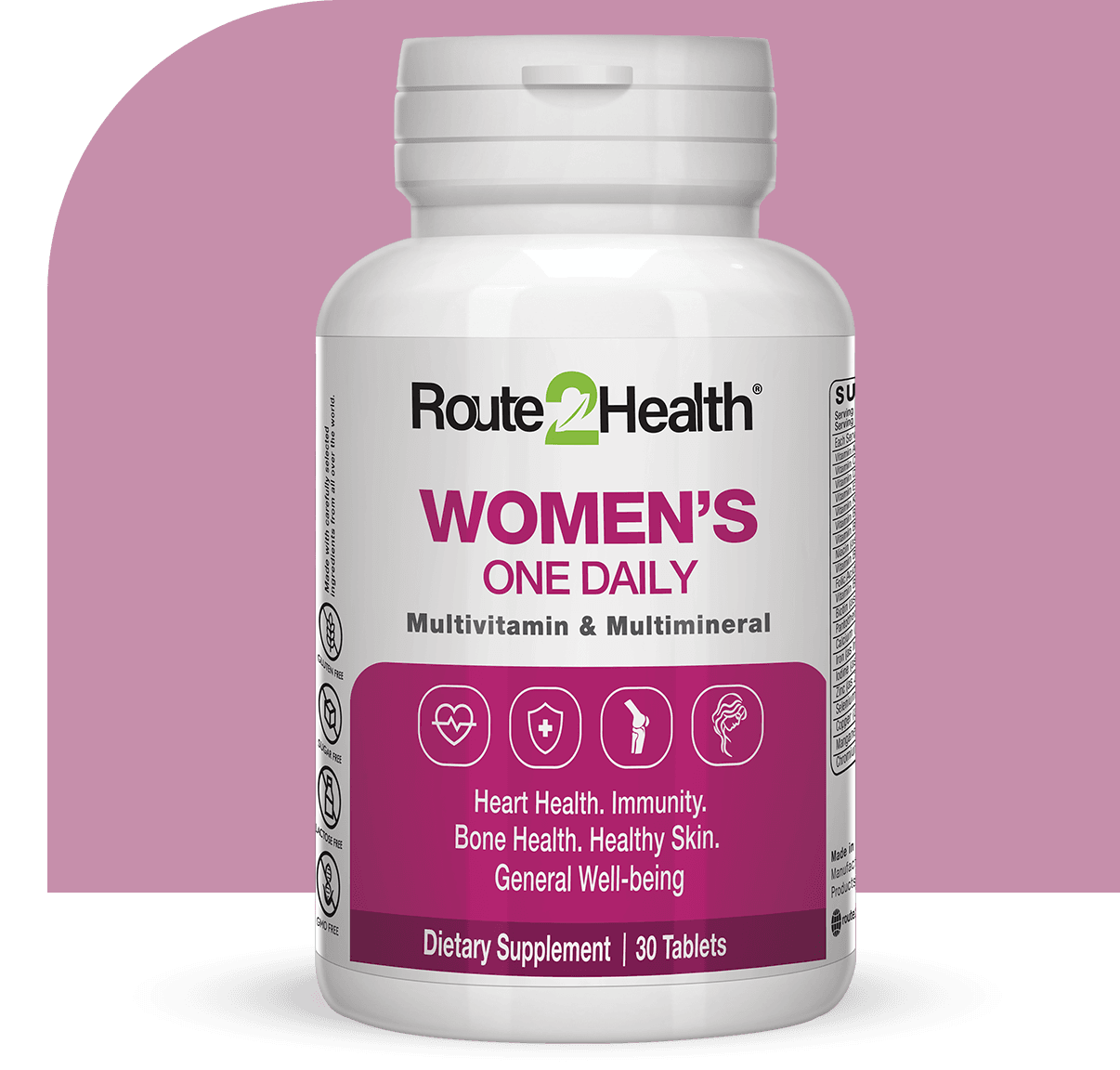
A daily multivitamin formulated for women's nutritional needs can also help fill dietary gaps during this demanding stage. During breastfeeding, your nutritional requirements remain higher than usual. If meeting these needs through diet alone is challenging, Route2Health Women's One Daily can help support your daily vitamin and mineral intake alongside a healthy, balanced diet.
Women's One Daily contains carefully selected vitamins and minerals that contribute to normal energy-yielding metabolism, immune function and overall wellbeing, helping mothers prioritise their own health while caring for their little one.
6. Avoid Unnecessary Formula Supplementation
Unless medically indicated, introducing formula during the early weeks may reduce breast stimulation and signal the body to produce less milk. If supplementation is necessary, continue breastfeeding or pumping regularly to protect your milk supply.
If you are concerned about whether your baby is getting enough milk, monitor:
- Wet nappies
- Dirty nappies
- Weight gain
- Baby's overall alertness
These indicators are often more reliable than judging breast fullness or pumping output alone. Always discuss feeding concerns with your healthcare provider rather than assuming your supply is low.
7. Ask for Help Early Instead of Waiting
Breastfeeding challenges are common.
Many mothers experience:
- Engorgement
- Blocked ducts
- Sore nipples
- Cluster feeding
- Growth spurts
- Concerns about milk supply
Seeking help early often prevents small problems from becoming larger ones. Professional breastfeeding support improves exclusive breastfeeding rates and maternal confidence. Remember that asking for help is part of successful breastfeeding, not a sign of failure.

Small Daily Habits That Make a Big Difference
Successful breastfeeding usually comes from consistent habits rather than dramatic changes.
Simple daily practices include:
- Keeping baby skin-to-skin whenever possible
- Feeding responsively instead of by the clock
- Avoiding unnecessary long gaps between feeds
- Drinking fluids according to thirst
- Eating regular nourishing meals
- Resting whenever opportunities arise
- Accepting help from family and friends
These small actions support both breastfeeding and maternal wellbeing during the early months.
Conclusion
Breastfeeding is one of the most rewarding experiences of early parenthood, but it is also a learned skill that develops over time. Rather than striving for perfection, focus on consistency, responsive feeding, and seeking support whenever challenges arise.
These science-backed breastfeeding tips can help establish a healthy milk supply, improve feeding efficiency, and make the journey more enjoyable for both mother and baby. Most importantly, remember that caring for yourself is an essential part of caring for your baby.
Whether that means eating nourishing meals, getting support from loved ones or meeting your nutritional needs with Route2Health Women's One Daily, your wellbeing matters too.
FAQs
1. How often should I breastfeed my newborn?
Most newborns breastfeed 8–12 times in 24 hours, although some may feed more frequently during growth spurts.
2. How do I know if my baby is getting enough breast milk?
Adequate wet nappies, regular weight gain, swallowing during feeds and a generally alert baby are reassuring signs that your baby is feeding well.
3. Does drinking more water increase breast milk supply?
Staying hydrated supports overall health, but drinking excessive amounts of water does not directly increase milk production. Frequent and effective milk removal is the most important factor.
4. Is power pumping proven to increase milk supply?
Power pumping may help some mothers by increasing breast stimulation, although evidence is still emerging. It works best alongside frequent breastfeeding and should ideally be discussed with a lactation professional.
5. Should breastfeeding mothers take a multivitamin?
Many breastfeeding mothers can meet their nutritional needs through a balanced diet, but a daily multivitamin may help fill nutritional gaps when dietary intake is insufficient. Speak with your healthcare professional for personalised advice.

Vitamin B Deficiency Symptoms: 8 Signs You May Need a B Complex

Complications of Constipation: How Serious Can Constipation Become If Left Untreated?

Folic Acid Benefits for Women: The One Nutrient Every Woman Should Have

Breastfeeding Tips: 7 Science-Backed Ways to Support a Successful Breastfeeding Journey

Simple Ways to Increase Your Child's Appetite: Practical Tips That Really Help

Infant Colic: Causes, Symptoms, and What Actually Helps?

Benefits of Methylcobalamin: Everything You Must Know Before Starting Lingu B

The Importance of Electrolytes: Why Your Body Needs More Than Just Water

Who Should Be Taking Magnesium Glycinate? 7 Signs You Might Benefit From It

Symptoms of Poor Blood Circulation and How L-Arginine Can Help

Magnesium Deficiency: Signs Your Body May Be Crying Out for Magnesium

Low Energy, Brain Fog, and Weak Immunity? Hidden Deficiencies in Men Explained

What Happens to Your Body When You Aren’t Hydrated Enough?

The Importance of Hydration: Why Water Is the Ultimate Nutrient?

Asthma in Children: Causes, Symptoms, and Treatment Options

Gearing Up for Marathon: Train Smart And Fuel Right To Finish Strong

L-Arginine 101: Benefits, Uses, and Safety

9 Science-Backed Benefits of Zinc: All That You Need To Know

10 Common Sleep Disorders Might Be Keeping You Up

FluAce by Route2Health: Pakistan’s New Favourite Flu Remedy

Vitamin C: A Must-Have in Your Pre-Wedding Skincare and Wellness Routine

The Perfect Regime to Get You Fit This Wedding Season

Magnesium and Sleep: How This Calm Mineral Can Help You Rest Better


The Smog Emergency in Pakistan: Health Risks and Urgent Solutions

How to Increase Glutathione in the Body Naturally?

10 Effective Natural Remedies for Sleep

The Role of Copper and Zinc in Reducing Inflammation and Boosting Immunity


9 Effective Natural Remedies for Cold and Flu: What Really Works?

Top 6 Symptoms of Vitamin Deficiency in Children to Watch Out For

5 Healthy Pregnancy Tips You May Not Know About


The Essential Nutrients You Need to Support a Healthy Pregnancy

Folic Acid Deficiency in Pakistani Women: A Silent Crisis in Maternal Health

B-Complex for Energy Production: The Back-to-School Boost Every Child Needs

Boost Your Child’s Memory and Concentration: 7 Proven Strategies for Sharper Learning

Back to School Boost: All The Ways To Improve Focus, Energy And Immunity

Cranberry and Elderberry: Natural Solutions for UTI Prevention During Hot Weather


Combat Hyperpigmentation from Within: The Power of Vitamin C

The Truth About Magnesium: Breaking Down the Hype and Its Many Forms

Magnesium Glycinate Benefits: All That You Need To Know

Magnesium Glycinate 101: The Ultimate Guide to The Soothing Mineral

Liver Care: The Role of Milk Thistle in Helping the Liver Combat Toxins

Healthy Summer Snacks and Nutrition for Kids: Fun Ideas for the Holidays

The Importance of Glutathione in Your Summer Skincare Routine

7 Effective Strategies To Make Up For Your Child’s Nutritional Deficiencies This Summer


The Link Between Dehydration and UTIs- Why Berdi is Your Summer Ally?