
Vitamin B Deficiency Symptoms: 8 Signs You May Need a B Complex
Feeling unusually tired, foggy, irritable or just a little “off”? Your body may be trying to tell you something. B vitamins quietly support some of the most important processes in the body, from energy metabolism and red blood cell formation to normal brain and nerve function. When your intake or absorption falls short, certain vitamin B deficiency symptoms can begin to appear.
Of course, tiredness or poor concentration does not automatically mean you have a B-vitamin deficiency. Many of these symptoms are non-specific and can result from several medical, nutritional or lifestyle factors. However, if symptoms persist, appear together or occur alongside a restricted diet or absorption problem, it may be worth reviewing your B-vitamin intake.
What Are B Vitamins?
“Vitamin B” actually refers to a family of eight water-soluble vitamins:
- Vitamin B1 – thiamine
- Vitamin B2 – riboflavin
- Vitamin B3 – niacin
- Vitamin B5 – pantothenic acid
- Vitamin B6 – pyridoxine
- Vitamin B7 – biotin
- Vitamin B9 – folate
- Vitamin B12 – cobalamin
Each performs different functions, but many work together in related metabolic pathways. B vitamins help the body release and use energy from food, support nervous-system function, assist with red blood cell formation and contribute to DNA synthesis and normal cell division. Several also participate in neurotransmitter and amino-acid metabolism.
A vitamin B complex usually combines several or all eight B vitamins in one supplement, making it a convenient option when overall intake may be inadequate.
What Causes a B-Vitamin Deficiency?
A deficiency can develop for several reasons. Poor dietary intake is one, but it is not the only cause. Risk can increase with:
- Highly restrictive diets
- Very low food intake
- Vegan diets without reliable vitamin B12 sources
- Gastrointestinal disorders affecting absorption
- Bariatric surgery
- Certain medicines
- Heavy alcohol consumption
- Increased nutritional requirements
- Conditions such as pernicious anaemia
Different B vitamins also produce different deficiency patterns. Here are some important signs to recognise.
8 Common Signs of Vitamin B Deficiency
1. Persistent Fatigue and Weakness
One of the most common vitamin B deficiency symptoms is persistent tiredness. Several B vitamins help enzymes involved in normal energy-yielding metabolism. Folate and vitamin B12 also support normal red blood cell production.
If B12 or folate deficiency progresses to anaemia, you may experience:
- Fatigue
- Weakness
- Reduced exercise tolerance
- Breathlessness
- Light-headedness
- Paleness
However, B vitamins are not stimulants. Taking extra B vitamins does not necessarily increase energy if your intake is already adequate. Persistent fatigue can also result from iron deficiency, thyroid disorders, poor sleep, stress and many other conditions, so it should not automatically be blamed on vitamin deficiency.
2. Pins and Needles or Numbness
Persistent tingling or numbness can be particularly important. Vitamin B12 plays a major role in maintaining normal neurological function, and deficiency can affect the peripheral nerves.
So, if you feel:
- Pins and needles
- Numbness
- Burning sensations
- Altered sensation
- Poor balance
- Muscle weakness
It's best to get your B12 levels checked.
Thiamine deficiency can also affect the nerves. Research highlights that vitamin B12 deficiency can cause neurological symptoms even when obvious anaemia is absent. It is also important not to self-treat tingling with large doses of vitamin B6. Excessive supplemental B6 over time can itself cause peripheral neuropathy.
3. A Sore, Red or Smooth Tongue
Your mouth can sometimes provide clues about your nutritional status. A sore, swollen, red or unusually smooth tongue is known as glossitis. It can occur with deficiencies involving:
- Riboflavin
- Niacin
- Vitamin B6
- Folate
- Vitamin B12
You may notice burning, tenderness, altered taste or discomfort while eating.
Research shows that glossitis and other oral changes are among the common recognised symptoms of several B-complex vitamin deficiencies. However, glossitis can also occur with iron deficiency, infection and other oral conditions.
4. Cracks at the Corners of the Mouth
Recurring soreness or splitting at the corners of the mouth is called angular cheilitis. Riboflavin deficiency is particularly associated with changes such as:
- Angular cheilitis
- Sore lips
- Glossitis
- Mouth irritation
Other B-vitamin deficiencies may also contribute to oral changes.
That said, angular cheilitis can also result from fungal infection, saliva irritation, iron deficiency or skin conditions, so recurring symptoms deserve proper assessment.
5. Skin Changes or Dermatitis
Some B-vitamin deficiencies can affect the skin. Riboflavin and vitamin B6 deficiencies may contribute to dermatitis-like changes, while severe niacin deficiency causes a condition called pellagra.
Pellagra is traditionally associated with the “three Ds”:
- Dermatitis
- Diarrhoea
- Dementia
Biotin deficiency can also cause dermatitis and hair changes, although true biotin deficiency is uncommon. Although most rashes are not caused by B-vitamin deficiencies, persistent skin changes alongside poor dietary intake or other deficiency symptoms may warrant investigation.

6. Brain Fog, Memory Problems or Poor Concentration
Several B vitamins support normal brain and nervous-system function. Deficiency may contribute to symptoms such as:
- Poor concentration
- Mental fog
- Forgetfulness
- Confusion
- Reduced attention
Vitamin B12 deficiency can produce cognitive changes, while severe thiamine deficiency can profoundly affect the brain. However, taking a B complex does not automatically “boost brain power”.
A study in the journal Nutrients very well explains the biological importance of micronutrients in neurological and cognitive processes, but supplementation is most relevant when dietary intake or nutritional status is inadequate.
7. Mood Changes or Irritability
B-vitamin deficiencies can sometimes produce psychological or behavioural symptoms. Depending on the nutrient and severity of deficiency, people may experience:
- Irritability
- Low mood
- Apathy
- Restlessness
- Difficulty concentrating
Thiamine, niacin, B6, folate and B12 all contribute to normal neurological processes. However, mood changes are extremely non-specific. B-vitamin supplementation should not replace appropriate treatment for anxiety, depression or another mental health condition.
Nutritional assessment becomes particularly relevant when mood symptoms occur alongside physical signs such as anaemia, mouth changes, neurological symptoms or a very restricted diet.
8. Poor Appetite, Digestive Symptoms or Weight Loss
Some B-vitamin deficiencies can affect appetite or the digestive system. Thiamine deficiency may contribute to poor appetite and weight loss, while severe niacin deficiency can cause diarrhoea. Possible symptoms can include:
- Reduced appetite
- Nausea
- Diarrhoea
- Mouth discomfort
- Unexplained weight loss
Importantly, gastrointestinal disease can also cause B-vitamin deficiency by reducing nutrient absorption. If a person repeatedly develops a deficiency despite eating adequate amounts of the vitamin, healthcare professionals may need to investigate an underlying absorption problem.
Who Might Need a Vitamin B Complex?
A B complex supplement may be useful when dietary intake is inadequate or nutritional requirements cannot easily be met through food alone. People who may need to pay particular attention to B-vitamin intake include those who:
- Eat a very restrictive diet
- Consume very little food overall
- Follow a vegan diet without B12-fortified foods or supplementation
- Have gastrointestinal conditions affecting absorption
- Have undergone bariatric surgery
- Take medicines known to affect certain B vitamins
- Have a diagnosed deficiency
However, a B complex is not always the correct treatment. Someone with a confirmed B12 deficiency, for example, may need targeted vitamin B12 treatment rather than relying on an ordinary B-complex supplement. Similarly, pregnancy requires specific folic acid guidance.
Can You Get Enough B Vitamins From Food?
Many people can meet their requirements through a varied diet. Vitamin B12 deserves special attention because reliable natural sources mainly come from animal-derived foods. People following vegan diets need a dependable source from fortified foods or supplements.

Conclusion: Pay Attention to the Signs
Persistent fatigue, tingling, mouth changes, skin problems, or brain fog can sometimes be vitamin B deficiency symptoms, particularly when they occur alongside a restrictive diet or a condition that affects nutrient absorption.
B vitamins play important roles in energy metabolism, blood formation, nervous-system function and normal cellular processes. Maintaining adequate intake therefore matters for everyday health.
At the same time, symptoms alone cannot diagnose a deficiency. If they persist, proper assessment can help determine whether you need a specific B vitamin, a broader B complex or treatment for something else entirely.
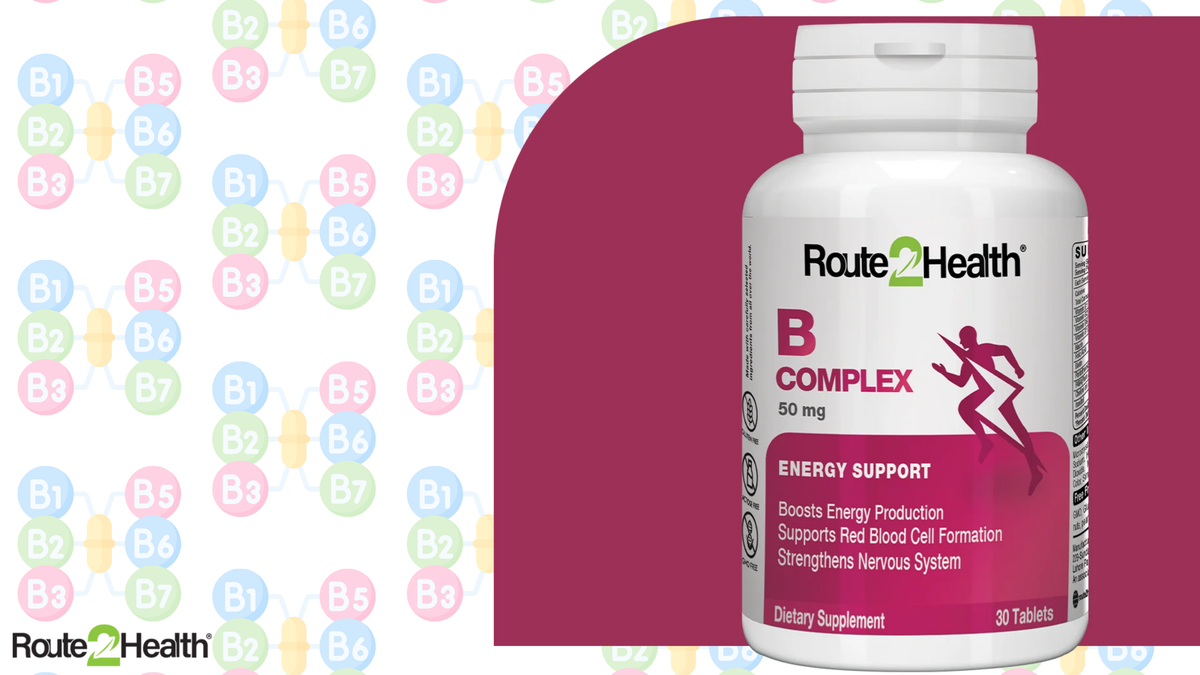
When your diet needs extra nutritional support, B Complex by Route2Health offers a convenient way to complement your daily intake of essential B vitamins. Designed to support the metabolic processes that rely on B vitamins, it can be an easy addition to a balanced daily routine.
FAQs
1. What are the first signs of vitamin B deficiency?
Early symptoms can include fatigue, weakness, poor concentration, reduced appetite, mouth changes and skin problems. Symptoms vary depending on which B vitamin is deficient.
2. How do I know if I need a vitamin B complex?
You may need to review your intake if you have a restrictive diet, poor food intake, absorption problems or symptoms suggestive of deficiency. Blood testing may be appropriate in some cases.
3. Does vitamin B complex give you energy?
B vitamins support normal energy-yielding metabolism, but they do not act like stimulants. Correcting a deficiency may improve deficiency-related fatigue, but taking extra B vitamins does not guarantee an energy boost.
4. Can I take vitamin B complex every day?
Many B-complex supplements are formulated for daily use. However, always follow the recommended dose because excessive amounts of some B vitamins, particularly B6, may cause adverse effects.
5. Which B-vitamin deficiency causes tiredness?
Several can. Folate and B12 deficiencies may cause anaemia, while B1, B2, B3, B5 and B6 contribute to pathways involved in normal energy metabolism.

Vitamin B Deficiency Symptoms: 8 Signs You May Need a B Complex

Complications of Constipation: How Serious Can Constipation Become If Left Untreated?

Folic Acid Benefits for Women: The One Nutrient Every Woman Should Have

Breastfeeding Tips: 7 Science-Backed Ways to Support a Successful Breastfeeding Journey

Simple Ways to Increase Your Child's Appetite: Practical Tips That Really Help

Infant Colic: Causes, Symptoms, and What Actually Helps?

Benefits of Methylcobalamin: Everything You Must Know Before Starting Lingu B

The Importance of Electrolytes: Why Your Body Needs More Than Just Water

Who Should Be Taking Magnesium Glycinate? 7 Signs You Might Benefit From It

Symptoms of Poor Blood Circulation and How L-Arginine Can Help

Magnesium Deficiency: Signs Your Body May Be Crying Out for Magnesium

Low Energy, Brain Fog, and Weak Immunity? Hidden Deficiencies in Men Explained

What Happens to Your Body When You Aren’t Hydrated Enough?

The Importance of Hydration: Why Water Is the Ultimate Nutrient?

Asthma in Children: Causes, Symptoms, and Treatment Options

Gearing Up for Marathon: Train Smart And Fuel Right To Finish Strong

L-Arginine 101: Benefits, Uses, and Safety

9 Science-Backed Benefits of Zinc: All That You Need To Know

10 Common Sleep Disorders Might Be Keeping You Up

FluAce by Route2Health: Pakistan’s New Favourite Flu Remedy

Vitamin C: A Must-Have in Your Pre-Wedding Skincare and Wellness Routine

The Perfect Regime to Get You Fit This Wedding Season

Magnesium and Sleep: How This Calm Mineral Can Help You Rest Better


The Smog Emergency in Pakistan: Health Risks and Urgent Solutions

How to Increase Glutathione in the Body Naturally?

10 Effective Natural Remedies for Sleep

The Role of Copper and Zinc in Reducing Inflammation and Boosting Immunity


9 Effective Natural Remedies for Cold and Flu: What Really Works?

Top 6 Symptoms of Vitamin Deficiency in Children to Watch Out For

5 Healthy Pregnancy Tips You May Not Know About


The Essential Nutrients You Need to Support a Healthy Pregnancy

Folic Acid Deficiency in Pakistani Women: A Silent Crisis in Maternal Health

B-Complex for Energy Production: The Back-to-School Boost Every Child Needs

Boost Your Child’s Memory and Concentration: 7 Proven Strategies for Sharper Learning

Back to School Boost: All The Ways To Improve Focus, Energy And Immunity

Cranberry and Elderberry: Natural Solutions for UTI Prevention During Hot Weather


Combat Hyperpigmentation from Within: The Power of Vitamin C

The Truth About Magnesium: Breaking Down the Hype and Its Many Forms

Magnesium Glycinate Benefits: All That You Need To Know

Magnesium Glycinate 101: The Ultimate Guide to The Soothing Mineral

Liver Care: The Role of Milk Thistle in Helping the Liver Combat Toxins

Healthy Summer Snacks and Nutrition for Kids: Fun Ideas for the Holidays

The Importance of Glutathione in Your Summer Skincare Routine

7 Effective Strategies To Make Up For Your Child’s Nutritional Deficiencies This Summer


The Link Between Dehydration and UTIs- Why Berdi is Your Summer Ally?