Complications of Constipation: How Serious Can Constipation Become If Left Untreated?
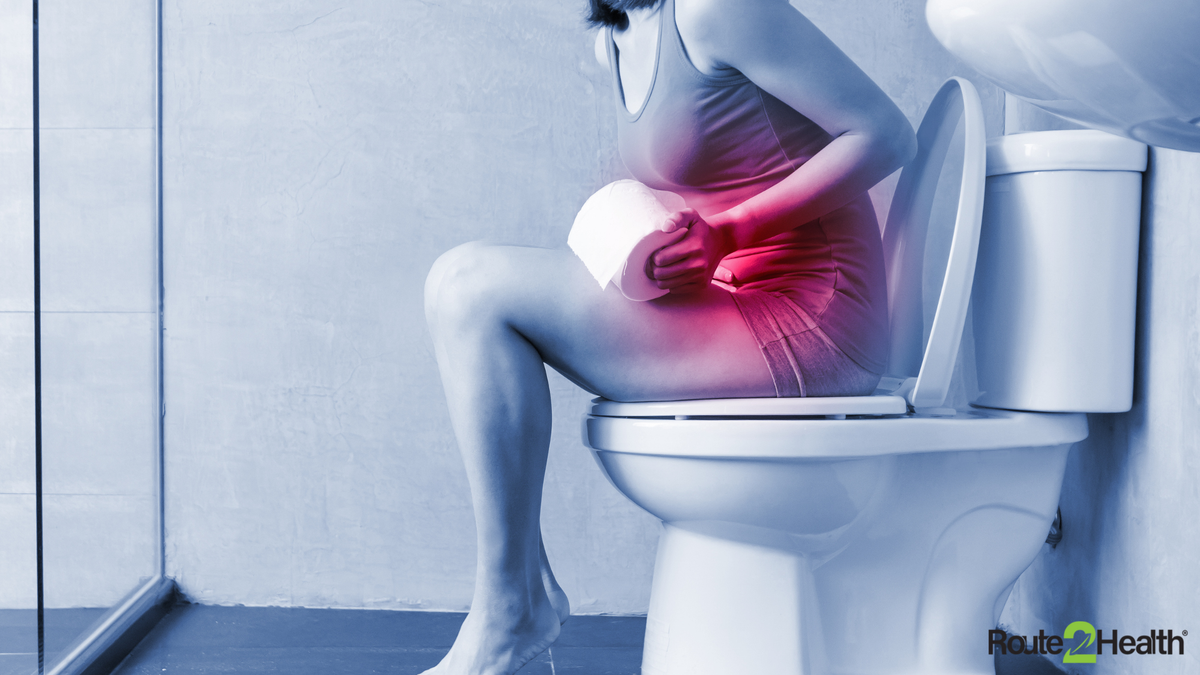
Constipation can seem like a minor inconvenience: a few uncomfortable days, some straining on the toilet and the hope that things will eventually return to normal. But when constipation persists or repeatedly goes untreated, it can become much more than an uncomfortable bowel problem. Complications of constipation can range from painful anal fissures and haemorrhoids to faecal impaction and, in rare severe cases, bowel obstruction, ulceration or perforation.
The good news is that most constipation does not progress to these serious complications. However, recognising persistent constipation and treating its underlying cause early can prevent a relatively manageable digestive problem from becoming much harder to resolve.
What Is Constipation?
Constipation is often misunderstood as simply “not passing stool every day”. Similarly, having one day of hard or difficult-to-pass stool is often casually described as constipation, and it may represent a brief episode of occasional constipation, but it does not necessarily meet the scientific criteria for “functional constipation”. Bowel habits naturally vary between individuals, and constipation is better defined by a combination of stool consistency, frequency and difficulty with evacuation rather than frequency alone. Common features include hard, dry or lumpy stools, excessive straining, painful or difficult bowel movements and a feeling that the bowel has not emptied completely. Scientifically, the Rome IV criteria define functional constipation in adults as having at least two characteristic features, including hard or lumpy stools, straining, incomplete evacuation, a sensation of blockage or the need for manual assistance during more than 25% of bowel movements, or fewer than three spontaneous bowel movements per week. For the formal Rome IV diagnosis, these criteria should have been present for the previous three months, with symptoms beginning at least six months earlier. Mind you, you can experience an occasional constipated bowel movement without having chronic functional constipation, while someone who passes stool regularly may still have constipation if their stools are consistently hard, painful and difficult to pass.
How Common Is Constipation?
Constipation is one of the most common gastrointestinal complaints worldwide, although prevalence varies considerably depending on the definition used.
A large systematic review and meta-analysis involving 275,260 adults found that approximately 10.1% of adults met the Rome IV criteria for functional constipation.
Constipation can affect anyone, but certain groups have a higher risk. Women tend to experience functional constipation more frequently than men, and constipation is also particularly important in older adults and people with conditions or medicines that affect bowel movement. The problem is therefore extremely common. What matters is recognising when occasional constipation has become persistent enough to require attention.
What Are the Complications of Constipation?
The complications of constipation mainly develop when hard stool remains in the bowel for prolonged periods or when a person repeatedly strains to pass it. Possible consequences include:
1. Haemorrhoids
One of the best-known complications associated with constipation is haemorrhoids, commonly called piles. Haemorrhoids are swollen veins around the anus or lower rectum. When someone regularly passes hard stools, they may repeatedly strain and spend longer sitting on the toilet. This increases pressure in the veins around the anus and can contribute to haemorrhoids.
Symptoms can include itching, discomfort, swelling and bright red rectal bleeding. Importantly, rectal bleeding should not automatically be blamed on constipation or haemorrhoids. Persistent or unexplained bleeding requires medical assessment.
2. Anal Fissures
Passing a large, dry or particularly hard stool can stretch and tear the delicate lining of the anus. Doctors call this small tear an anal fissure. An anal fissure can cause sharp pain during a bowel movement, followed by burning or discomfort afterwards. Small amounts of bright red blood may also appear on toilet paper or on the outside of the stool.
Fissures can create a troublesome cycle. Passing stool hurts, so the person may delay going to the toilet. The longer stool stays in the colon, the more water the colon absorbs from it. The stool can then become harder and more difficult to pass, making the next bowel movement even more painful. This stool-withholding cycle is particularly important in children.
3. Faecal Impaction
One of the more serious complications of constipation is faecal impaction. Faecal impaction occurs when a large mass of hard, dry stool becomes tightly packed in the rectum or colon and cannot be passed normally. It is particularly concerning in older or frail adults, people with neurological conditions and those with severe chronic constipation.
An impaction can cause abdominal pain, bloating, reduced appetite, nausea and difficulty passing stool.
A systematic review examining 280 reported cases of complications from faecal impaction found that chronic constipation was present in approximately half of the cases. Researchers documented complications involving pressure on the intestinal wall, blockage of the intestinal lumen and pressure on neighbouring organs. The authors concluded that faecal impaction can cause severe and occasionally fatal complications, particularly in vulnerable populations.
4. Overflow Soiling and Faecal Incontinence
Surprisingly, severe constipation can sometimes look like diarrhoea. When hard stool becomes impacted in the rectum, softer or liquid stool from higher in the bowel may leak around the blockage. This can result in staining, soiling or unexpected leakage.
Someone may therefore appear to have diarrhoea while actually being severely constipated.
This phenomenon is particularly important in children with chronic constipation and in older adults. Treating the apparent diarrhoea without recognising the underlying stool retention can make the situation more difficult to manage.
5. Rectal Prolapse
Repeated straining can place substantial pressure on the pelvic floor and rectum. In some cases, part of the rectum can move downwards and protrude through the anus, a condition known as rectal prolapse. Rectal prolapse has several possible causes, and constipation is not always responsible. However, long-term straining associated with constipation can contribute to its development or worsening.
One may notice a reddish mass coming through the anus during or after a bowel movement, mucus discharge, difficulty controlling stool or a feeling that the bowel has not emptied completely.
Medical assessment is important if rectal prolapse is suspected.

6. Bladder and Urinary Problems
The bowel and bladder sit close together within the pelvis. Significant stool retention can therefore affect more than the digestive system.
A rectum that remains distended with stool can place pressure on the bladder and may interfere with normal bladder function. This relationship is particularly well recognised in children, where persistent constipation can occur alongside urinary urgency, daytime wetting or other bladder-control problems. Treating constipation can consequently form an important part of managing certain bowel-and-bladder problems.
7. Stercoral Ulcers
This is a much rarer but more serious complication of prolonged stool retention. When very hard stool remains pressed against the bowel wall, continuous pressure can reduce blood supply to the affected tissue. Over time, this may damage the lining and produce an ulcer known as a stercoral ulcer.
These ulcers most often occur in people with severe, prolonged constipation and faecal impaction rather than ordinary occasional constipation. A stercoral ulcer may bleed and, in severe cases, can progress to perforation.
8. Bowel Obstruction
A severe faecal impaction can physically obstruct the bowel and prevent stool and gas from moving normally. Symptoms of intestinal obstruction can include:
- Significant or worsening abdominal pain
- Marked abdominal swelling
- Vomiting
- Inability to pass stool
- Inability to pass gas
Bowel obstruction requires urgent medical assessment. Constipation accompanied by persistent abdominal pain, vomiting or an inability to pass gas should not simply be treated at home as routine constipation.
9. Bowel Perforation
One of the most severe potential complications of extreme faecal loading is perforation of the colon. Hard impacted stool can exert prolonged pressure against the intestinal wall. In exceptional cases, particularly when stercoral ulceration develops, the bowel wall can become damaged enough to develop a hole or tear. A perforated bowel allows intestinal contents and bacteria to enter the abdominal cavity, potentially causing peritonitis, sepsis and other life-threatening complications.
Fortunately, this is rare and should not be presented as a likely outcome of ordinary constipation. It is mainly associated with severe faecal impaction and high-risk patients. However, its possibility demonstrates why significant or prolonged constipation should not simply be ignored.

10. Constipation Can Affect Quality of Life
Not every complication needs to involve physical damage to the bowel to matter.
Chronic constipation can interfere with daily activities, work, sleep, appetite, social life and emotional wellbeing. One may constantly think about whether they will be able to use the toilet, experience abdominal discomfort throughout the day or avoid activities because of their bowel symptoms.
Research has consistently shown that chronic constipation can significantly impair health-related quality of life. This reinforces an important point: constipation should not be dismissed simply because it is common.
When Does Constipation Need Medical Attention?
Occasional constipation can often improve with appropriate dietary changes, adequate fluid intake, physical activity and, when necessary, suitable constipation treatment. Persistent or recurrent constipation deserves further assessment, particularly if there is no obvious explanation.
Seek prompt medical advice if constipation occurs alongside rectal bleeding or blood in the stool, constant or severe abdominal pain, vomiting, fever, unexplained weight loss or an inability to pass gas. New, persistent or unexplained changes in bowel habits should also be discussed with a healthcare professional. Constipation can occasionally occur as a symptom of another medical condition, so simply continuing laxatives indefinitely without investigating persistent symptoms may not address the underlying problem.
Conclusion: Complications of Constipation Should Not Be Ignored
Constipation is common, but that does not mean persistent constipation is harmless. Complications of constipation can begin with relatively minor problems such as painful bowel movements, anal fissures and haemorrhoids, but prolonged stool retention can eventually contribute to faecal impaction, overflow incontinence, rectal prolapse and, in rare severe cases, bowel obstruction, ulceration or perforation.
Most people with constipation will never develop the most serious complications. The important message is not to fear constipation but to recognise and manage it appropriately. If bowel movements remain consistently hard, painful, infrequent or difficult to pass, addressing the problem early can prevent discomfort today and potentially more complicated problems later.
Although not a treatment for chronic contipation but something that can help you pass stool easily and treat your short term constipation is Ez Col by Route2Health. It contains Senna Leaf extract, which is an FDA-approved OTC treatment for constipation.
FAQs
1. What happens if constipation is left untreated?
Persistent untreated constipation can lead to hard stool, painful bowel movements, haemorrhoids, anal fissures and faecal impaction. Severe long-term stool retention can occasionally cause more serious complications.
2. How long is too long to be constipated?
There is no single number of days that applies to everyone. However, persistent or recurrent constipation, particularly when accompanied by pain, bleeding, vomiting, weight loss or inability to pass gas, needs medical assessment.
3. Can constipation cause a bowel blockage?
Yes. Severe faecal impaction can obstruct the bowel, although this is not a typical consequence of mild, occasional constipation.
4. Can severe constipation become life-threatening?
Rarely, yes. Severe faecal impaction can lead to complications such as bowel obstruction, stercoral ulceration or bowel perforation. These complications occur mainly in severe or high-risk cases rather than routine constipation.
5. Can constipation damage your intestines?
Ordinary short-term constipation usually does not permanently damage the intestines. However, severe prolonged stool retention and faecal impaction can place pressure on the bowel wall and, rarely, cause ulceration, tissue damage or perforation.


Vitamin B Deficiency Symptoms: 8 Signs You May Need a B Complex

Complications of Constipation: How Serious Can Constipation Become If Left Untreated?

Folic Acid Benefits for Women: The One Nutrient Every Woman Should Have

Breastfeeding Tips: 7 Science-Backed Ways to Support a Successful Breastfeeding Journey

Simple Ways to Increase Your Child's Appetite: Practical Tips That Really Help

Infant Colic: Causes, Symptoms, and What Actually Helps?

Benefits of Methylcobalamin: Everything You Must Know Before Starting Lingu B

The Importance of Electrolytes: Why Your Body Needs More Than Just Water

Who Should Be Taking Magnesium Glycinate? 7 Signs You Might Benefit From It

Symptoms of Poor Blood Circulation and How L-Arginine Can Help

Magnesium Deficiency: Signs Your Body May Be Crying Out for Magnesium

Low Energy, Brain Fog, and Weak Immunity? Hidden Deficiencies in Men Explained

What Happens to Your Body When You Aren’t Hydrated Enough?

The Importance of Hydration: Why Water Is the Ultimate Nutrient?

Asthma in Children: Causes, Symptoms, and Treatment Options

Gearing Up for Marathon: Train Smart And Fuel Right To Finish Strong

L-Arginine 101: Benefits, Uses, and Safety

9 Science-Backed Benefits of Zinc: All That You Need To Know

10 Common Sleep Disorders Might Be Keeping You Up

FluAce by Route2Health: Pakistan’s New Favourite Flu Remedy

Vitamin C: A Must-Have in Your Pre-Wedding Skincare and Wellness Routine

The Perfect Regime to Get You Fit This Wedding Season

Magnesium and Sleep: How This Calm Mineral Can Help You Rest Better


The Smog Emergency in Pakistan: Health Risks and Urgent Solutions

How to Increase Glutathione in the Body Naturally?

10 Effective Natural Remedies for Sleep

The Role of Copper and Zinc in Reducing Inflammation and Boosting Immunity


9 Effective Natural Remedies for Cold and Flu: What Really Works?

Top 6 Symptoms of Vitamin Deficiency in Children to Watch Out For

5 Healthy Pregnancy Tips You May Not Know About


The Essential Nutrients You Need to Support a Healthy Pregnancy

Folic Acid Deficiency in Pakistani Women: A Silent Crisis in Maternal Health

B-Complex for Energy Production: The Back-to-School Boost Every Child Needs

Boost Your Child’s Memory and Concentration: 7 Proven Strategies for Sharper Learning

Back to School Boost: All The Ways To Improve Focus, Energy And Immunity

Cranberry and Elderberry: Natural Solutions for UTI Prevention During Hot Weather


Combat Hyperpigmentation from Within: The Power of Vitamin C

The Truth About Magnesium: Breaking Down the Hype and Its Many Forms

Magnesium Glycinate Benefits: All That You Need To Know

Magnesium Glycinate 101: The Ultimate Guide to The Soothing Mineral

Liver Care: The Role of Milk Thistle in Helping the Liver Combat Toxins

Healthy Summer Snacks and Nutrition for Kids: Fun Ideas for the Holidays

The Importance of Glutathione in Your Summer Skincare Routine

7 Effective Strategies To Make Up For Your Child’s Nutritional Deficiencies This Summer


The Link Between Dehydration and UTIs- Why Berdi is Your Summer Ally?